
How to Tell a Friend You’re Worried About Their Relationship (Without Pushing Them Away)

You see it, but your friend doesn’t
You know that feeling when something’s off, but you can’t quite name it?
You’re watching someone you love, and they’re just… less themselves. Not dramatically. Not in a way that’s easy to explain. But you notice things. They over-explain. They go quiet at certain moments. They defend things that don’t add up.
And you think: something about this isn’t right.
Then, almost immediately: but what if I’m wrong?
So you say nothing. Or you start to say something and pull back. Because the last thing you want is to damage the friendship — or worse, push them even closer to the relationship you’re worried about.
Why this is so hard
They are your friend. You’re not just navigating a situation. You’re navigating loyalty.
They love this person. They’ve put real time and emotion into it. So if you come in too strong, your concern won’t land as concern. It’ll land as judgment. And when people feel judged, they don’t open up; they close ranks. Sometimes, right around the thing that’s hurting them.
The mistake most people make
They try to convince.
They lay out the evidence. They point out the contradictions. They push for a realization that the other person isn’t ready to have yet. And it backfires — because clarity doesn’t come from pressure. It comes from recognition. Your job isn’t to make them see everything. It’s to make them feel safe enough to start seeing it themselves.
Lead with what you’ve noticed, not what you’ve decided
There’s a big difference between “you’re in a toxic relationship” and “I’ve noticed you don’t really seem like yourself lately.”
One puts them on the defensive. The other opens a door.
Try staying in observation mode:
- “You seem more stressed than usual.”
- “You’ve gone quiet about things that used to matter to you.”
- “I might be totally off — but something feels different.”
The tone matters more than having the perfect words.
Ask questions. Don’t diagnose.
If you want them to open up, give them room to actually speak — not just respond to you. Questions that don’t corner them work better than ones that do:
- “How have things been feeling lately?”
- “Do you feel like you can be yourself with them?”
- “Does it feel like things are getting better, or just repeating?”
You’re not steering them toward an answer. You’re helping them hear their own.
Expect some resistance — that’s normal
They might defend their partner. Minimize what’s happening. Change the subject entirely.
That doesn’t mean you were wrong to speak up. It means they’re not ready yet — and readiness can’t be rushed. What matters is that you said something grounded and calm, without pressure. That kind of thing stays with people longer than any argument would.
What actually helps over time
Not pressure. Presence.
Checking in without interrogating. Listening without correcting every detail. Staying calm when they go back and forth — because they will. And if you stay steady, you become the place they return to when they’re finally ready to be honest with themselves.
What not to do
Don’t try to win the conversation. Don’t attack their partner directly. Don’t force a decision or make them feel foolish for staying. None of that creates clarity. It just creates distance and could result in the loss of a friend.
The hard truth
You can’t make someone leave a relationship — even if you’re right, even if you can see things they can’t yet.
But you can be the voice that doesn’t confuse them further. The person they don’t have to perform for. The one who speaks carefully enough that they don’t shut you out.
And when the moment comes, and it often does, they’ll remember who made it safe to think clearly.
One more thing
If you’re in this position, you’re not imagining things. You’re noticing patterns. And sometimes the most helpful thing isn’t to say more — it’s to understand more and be a friend.
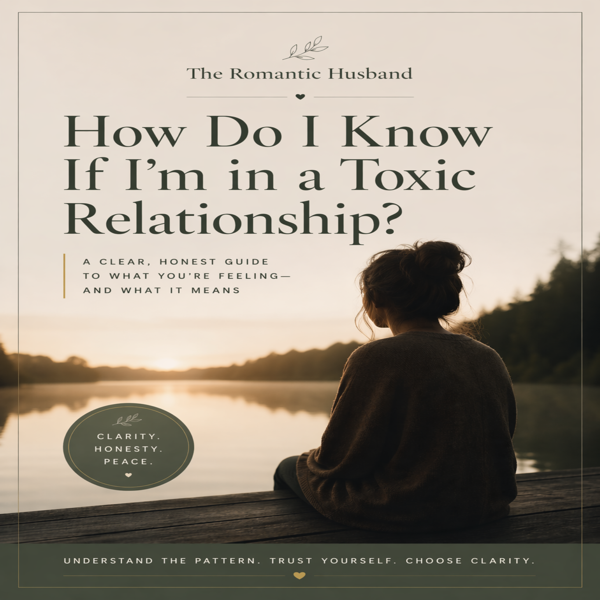
I put together a short guide called “How Do I Know If I’m in a Toxic Relationship?” It’s written for the person inside the relationship, but it can help you recognize what you’re seeing from the outside too — the subtle signs, why it’s so hard to see, what keeps people stuck, and how clarity actually develops.
For more articles on marriage and relationships
Follow The Romantic Husband
Continue Reading:
When Things Are Hard | Quiet Truths | Leadership At Home | Foundation | Raising Children
